How to Plant, Grow & Care for Salvias

1Garden.com

1Garden.com – Grow Your Gardening Knowledge

Useful Information

Common Name: Sage

Latin Name: Salvia (genus name, with many species like Salvia nemorosa or Salvia officinalis)

Plant Type: Herbaceous perennial or annual (depends on the species)

Height: Typically ranges from 12 inches to 4 feet (30 cm to 120 cm), depending on the species

TLC Rating: Generally low to moderate; these plants are relatively easy to care for

Aspect: Full sun to partial shade, depending on the species

Planting Position: Border, cottage garden, or as a specimen plant

Sun Exposure: Full sun is preferred, but some species tolerate partial shade

Soil pH: Prefers well-drained soil with a pH of 6.0 to 7.0

Bloom Time: Varies by species, often from late spring to early fall

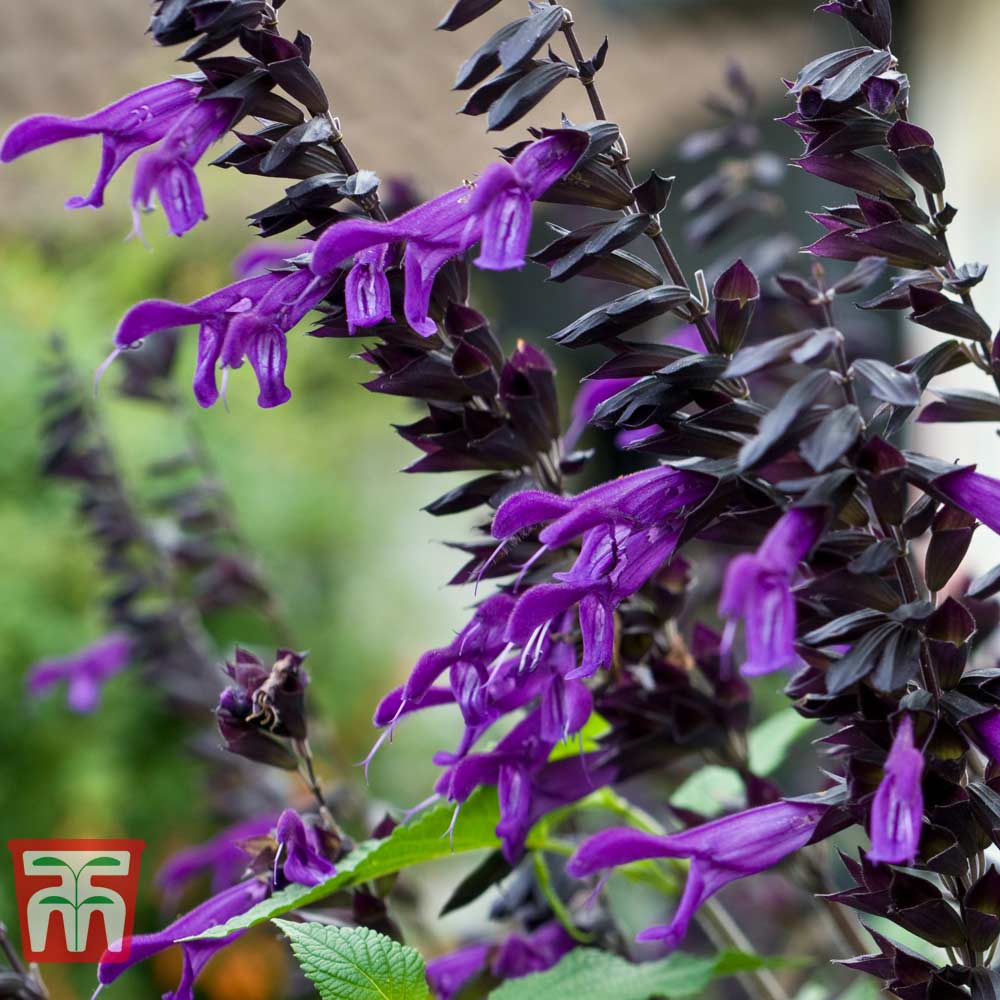
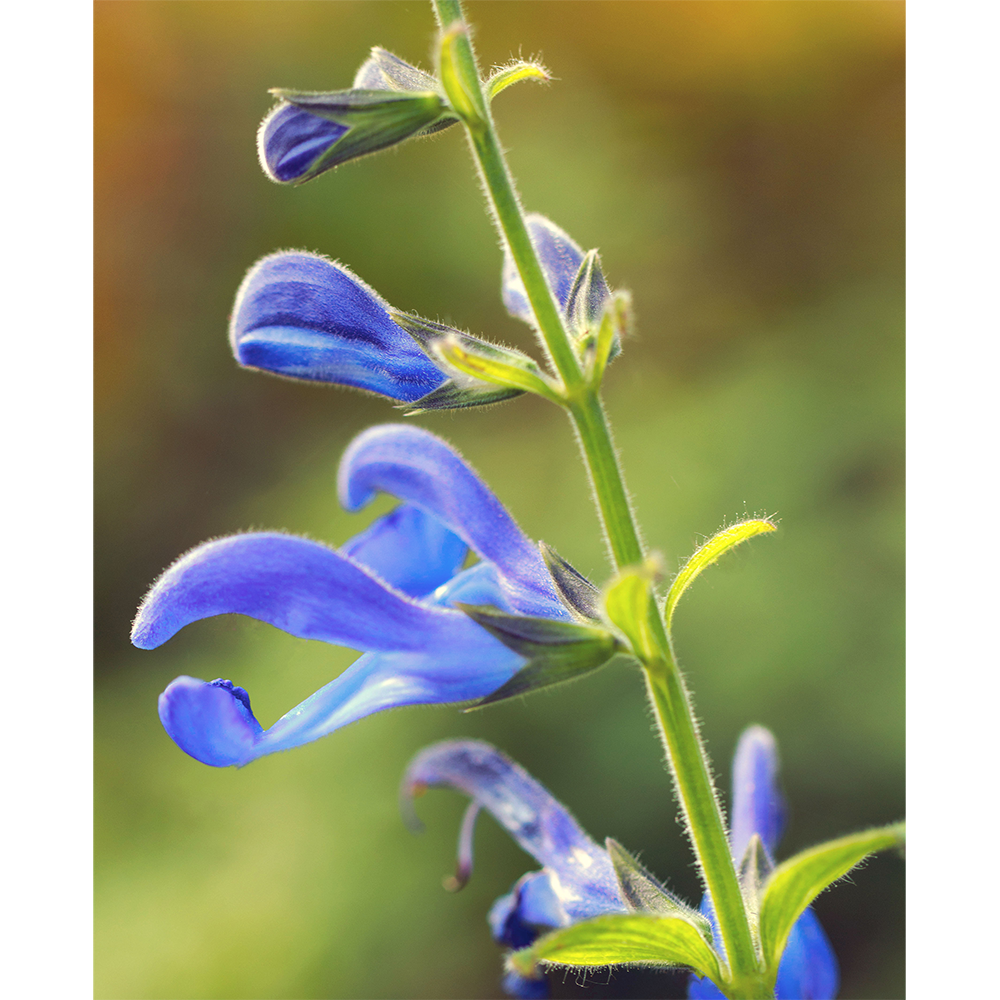
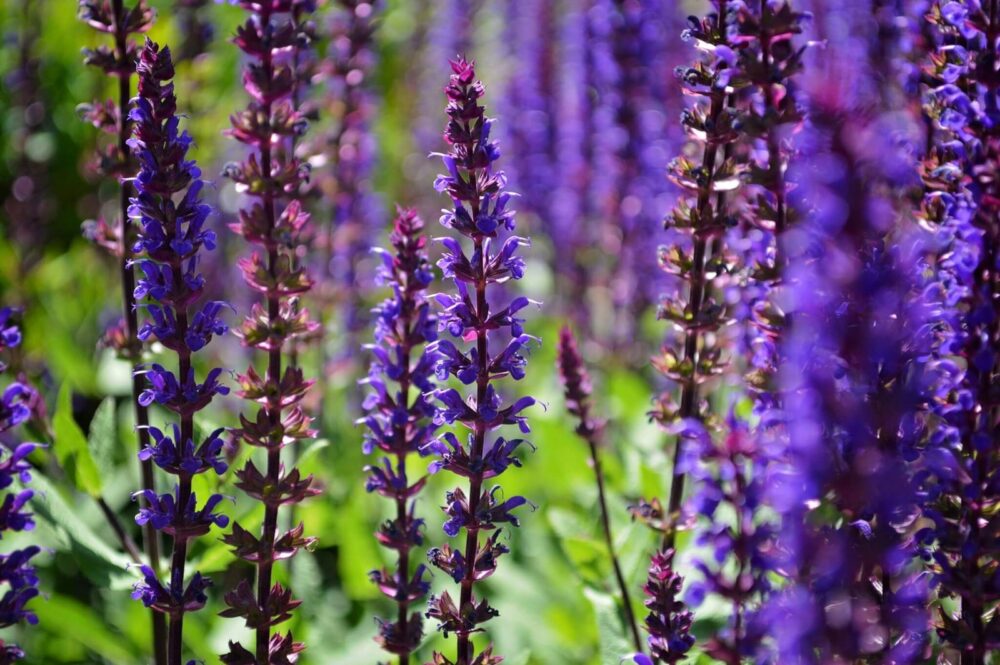
Flower Colour: Common colours include blue, purple, red, pink, and white, depending on the species

Suitable for Pots: Yes, many varieties are suitable for container planting

Good for Pollinators: Yes, they attract bees, butterflies, and other beneficial insects

Good for Cut Flowers: Yes, many species have long-lasting blooms that are good for arrangements

Pet Safe: Generally considered non-toxic to pets, but it’s always best to check specific species as some may cause mild stomach upset

Within the Salvia genus, there are numerous varieties with different characteristics. Make sure to check the specific needs and traits of the variety you are interested in.

Salvias are among the most versatile and attractive perennial plants in the garden. Celebrated for their brilliant flowers, aromatic foliage, and ability to attract bees and butterflies, salvias represent an ideal choice for gardeners wanting to enhance both ornamental and practical aspects of their landscape
 
With species ranging from annual favorites to hardy evergreen shrubs, salvias suit every garden situation, whether in formal beds, wildflower borders, or containers on a sunny patio. They prefer full sunlight, well-draining soil, and moderate watering, making them low-maintenance. 
 
Successful cultivation depends on understanding each variety’s needs and tailoring care accordingly. This article provides a detailed growing guide—with planting instructions, seasonal checklists, and pest management strategies—to help gardeners achieve optimum growth and vibrant blooms year after year. 

Diverse Genus

Salvias belong to the genus Salvia, which includes over 1,000 species of flowering plants, commonly known as sages. This makes it one of the largest genera in the mint family, Lamiaceae.

Culinary Use

Some species of salvia, like Salvia officinalis, commonly known as sage, are used as culinary herbs. Sage has a strong flavor and is frequently used in cooking, especially in Mediterranean and Italian dishes.

Medicinal Properties

Various types of salvia have been used in traditional medicine for their potential abilities to treat ailments like sore throats, digestive issues, and inflammatory conditions.

Attractive to Pollinators

Many salvia species produce vibrant flowers that attract a variety of pollinators, including bees, butterflies, and hummingbirds, making them excellent choices for pollinator gardens.

Variety of Habitats

Salvias can be found in a wide range of habitats, from arid deserts to tropical rainforests. They are particularly well-adapted to well-drained soils and can thrive in diverse environmental conditions.

Ornamental Use

Salvias are popular in landscaping and garden design due to their bright and diverse flower colors, including shades of blue, purple, red, and pink. They can bloom throughout the growing season, adding vibrant color to gardens.

Perennial and Annual

While many salvias are perennial, some species are annual. They can vary significantly in height, leaf shape, and flower structure, ranging from low-growing ground covers to tall shrubs.

Aromatic Leaves

Many salvias have aromatic leaves that release a pleasant fragrance when crushed. This characteristic is especially prominent in culinary and medicinal species.

Popular Varieties

Some popular varieties of salvia for gardens include Salvia splendens (annual salvia or red salvia), Salvia nemorosa (wood sage), and Salvia guaranitica (Anise-scented sage), each bringing unique aesthetics and ecological benefits.

Drought Tolerance

Many salvia species are drought-tolerant and can thrive in dry conditions, making them suitable for xeriscaping and low-water gardens. This resilience helps them survive in various climates with minimal maintenance.

The complete growing guide for salvias covers every step from soil preparation to final harvest.

Salvias thrive in full sun and well-drained soil enriched with organic matter. Gardeners should check the local hardiness zone and orient beds in areas that receive ample sunlight.

The soil should be mixed with compost to ensure optimum nutrients and simulate the low-nutrient conditions salvias prefer. Those who prefer container gardening should choose a large pot with proper drainage and quality potting mix.

When planting salvias, it is critical to consider the plant’s mature size, as overcrowding can lead to poor air circulation and disease susceptibility.
 
Planting intervals should allow each plant sufficient space for root expansion and growth. Early in growth, sufficient watering is needed to establish strong roots; however, overwatering must be avoided to prevent root rot.
 
Organic mulches, such as bark chips or straw, help retain soil moisture and suppress weed growth—a significant benefit for salvia health.
 
Regular feeding with a balanced, slow-release organic fertiliser improves flowering and sustains long-term plant health. Pruning dead or spent florets encourages continuous blooming, and occasional light trimming helps shape the plant while removing weak or diseased stems.
 
Companion planting with drought-tolerant species such as lavender or rosemary not only enhances visual appeal but also aids natural pest management, as aromatic foliage deters undesirable insects.
 
Overall, the growing guide provides a framework tailored to the specific ecological requirements of salvias while integrating best horticultural practices.

Spring

Spring is a season of renewal for salvias. As temperatures rise and frost fades, gardeners should prepare garden beds or containers by clearing away winter debris, adding a fresh layer of compost, and applying a slow-release fertiliser to stimulate new growth.
 
Pruning away any dead or damaged stems from winter improves air circulation. Sufficient watering is crucial during the early establishment stage, though caution is needed to avoid waterlogging.
 
Mulching moderates soil temperature and moisture, and early spring is an ideal time to set up irrigation systems that can be adjusted based on rainfall.
 
Regular pest monitoring is also recommended as the weather warms.
 

Summer

Summer brings high heat and drier conditions, making water management and pest control vital for salvias.
 
In this season, gardeners must ensure each plant receives enough water without over-saturation. Drip irrigation or soaker hoses provide a steady moisture supply while reducing evaporation.
 
As temperatures peak, a fresh layer of mulch retains soil moisture and helps maintain a consistent root temperature.
 
Regular inspection for stress signs or pest infestations—such as slugs, aphids, or leaf hoppers—is important.
 
Deadheading spent blooms encourages continuous flowering, and checking soil fertility with liquid feeds can boost overall vigour. Ensuring proper spacing promotes air circulation and reduces the likelihood of fungal infections.
 

Autumn

Autumn signals the transition from active growth to preparation for winter. During this season, reduce watering gradually and begin light pruning.
 
Deadheading spent blooms helps the plant redirect energy to storing nutrients in the roots rather than setting seeds. Gardeners might also apply a balanced fertiliser in early autumn to support root development before dormancy.
 
As temperatures cool, adjusting watering habits and checking soil drainage is crucial to prevent root rot during rainy periods.
 
Maintaining mulch helps protect roots from temperature fluctuations while suppressing weed growth.
 
An autumn inspection for disease or pest activity is recommended to safeguard the plants for the coming spring.
 

Winter

Winter can be challenging for many plants, but salvias—especially hardy varieties—can endure the cold with proper preparation.
 
It is essential to stop fertilising and reduce watering significantly once the plants become dormant. A protective mulch layer insulates the roots from frost and extreme temperature changes.
 
In harsh winter regions, a light covering with horticultural fleece or burlap over vulnerable specimens helps mitigate cold stress.
 
Gardeners should gradually remove dead foliage and monitor for moisture retention issues, as overly wet conditions can cause root rot.
 
Minimal pruning is advised during winter to preserve plant structure and energy. Occasional pest or fungal checks are also recommended to ensure the plants stay healthy until spring.

How to grow salvias

Growing salvias successfully begins with understanding their environmental preferences and care requirements. Salvias prefer well-drained soil, ample sunlight, and minimal competition from invasive weeds.
 
Their aromatic leaves and vibrant blooms not only enhance garden beauty but also attract beneficial pollinators. By following a set routine and planting them in suitable locations, gardeners can quickly transform their outdoor spaces.
 

Where to grow salvias

Salvias flourish in environments that provide full sun for at least six hours per day. They can be grown in garden beds, borders, rock gardens, and even containers on patios or balconies.
 
Ideal locations receive direct sunlight throughout the day with some partial shade during the hottest part of the afternoon in very warm climates. Soil should be well-draining to prevent waterlogging. Garden centres often recommend mixing in organic compost and sand into native soil to achieve a light, airy consistency.
 
Additionally, salvias are excellent for xeriscaping in regions with low rainfall, and adding gypsum or organic matter to clay soils can vastly improve drainage.
 

When to plant salvias

The optimal time to plant salvias depends on regional climate conditions. In temperate zones, the best planting window is typically in the spring, after the final frost has passed, allowing the plants to establish before the summer heat.
 
In warmer climates, gardeners may prefer fall planting when temperatures are slightly cooler yet adequate sunlight and moderate rainfall still occur. When sowing salvia seeds indoors, starting 6–8 weeks before the last frost date and then transplanting them outdoors offers the best chance for successful germination and growth.
 
Monitoring local weather forecasts and consulting with garden centres can further refine the planting schedule to suit specific microclimates and varieties.
 

How to plant & care for salvias

Planting salvias involves several steps, from soil preparation and spacing to watering and mulching. Post-planting care is crucial for establishing vigorous growth.
 
Once planted, salvias need regular watering to build a strong root system, followed by a shift to a more drought-tolerant maintenance schedule. As with many trees and shrubs, salvias also benefit from periodic pruning and fertilization. Routine care practices include deadheading spent blooms and trimming long, leggy stems to promote bushier growth.
 
This section describes distinct approaches for growing different forms of salvias, from annual varieties to perennials, each with unique care needs.
 

How to grow annual salvias

Annual salvias are popular for their vibrant, abundant blooms that last a single growing season. They are typically sown directly into prepared soil after the danger of frost.
 
Annual varieties grow quickly and provide a burst of colour in flower beds and containers. Gardeners should sow the seeds thinly, cover lightly with fine soil, and keep the soil moist until germination (usually within 7 to 14 days).
 
Once established, annual salvias require consistent watering—especially during the hot summer months—to sustain prolific flowering. Deadheading faded blooms prolongs the flowering period and prevents the plant from expending energy on seed production.
 
Early summer feeding with a balanced fertiliser can further boost growth and bloom quantity. Given their limited lifespan, annual salvias are ideal for seasonal displays and can be replaced yearly with new varieties.
 

How to grow half hardy perennial salvias

Half-hardy perennial salvias are a good compromise for gardeners in regions with milder winters. These plants typically survive a light frost, making them suitable for areas where winter temperatures rarely drop drastically.
 
When planting half-hardy perennials, choose a location with full sun and well-draining soil. Mulching around the base helps maintain moisture and protects the roots during cooler nights.
 
With proper care, these salvias can provide several years of reliable performance. Regular pruning after the flowering season encourages denser growth and increased blooms in subsequent seasons. An organic fertilizer applied in early spring can prepare the plant for the growing season and rejuvenate older specimens.
 
In winter, a light protective covering or cloche may be used in areas prone to unexpected cold snaps.
 

How to grow shrubby perennial salvias

Shrubby perennial salvias are known for their robust, bushy growth and are often used as border plants or hedgerows.
 
Due to their larger size and extended lifespan, these varieties require a slightly different approach than annual types. Preparing a garden bed with deep, well-draining soil is critical to accommodate their extensive root systems.
 
Plant with ample spacing to allow room for mature width. Once established, shrubby salvias require periodic watering, then transition to a more moderate schedule suited to their drought tolerance. Light pruning after flowering can stimulate denser growth and control leggy branches.
 
Over time, these plants develop a natural, informal shape that enhances a relaxed garden aesthetic. Regular mulch applications help retain soil moisture and control weeds, ensuring energy is focused on growth and bloom production.
 

How to grow herbaceous perennial salvias

Herbaceous perennial salvias die back to the ground in winter and re-emerge with renewed vigour in spring, making them dynamic additions to many garden designs.
 
Their seasonal reemergence offers a display of fresh foliage and blooms each year. These salvias enjoy full sun and well-drained soils, and they require a cold period to trigger die-back. Plant these salvias with sufficient spacing to allow natural spreading over time.
 
Removing dead foliage in early spring not only tidies the appearance but also reduces the risk of fungal diseases. A light application of balanced fertiliser at the start of spring supports vigorous regrowth. Regular deadheading of spent flowers promotes continuous blooming and improves overall plant health.
 
Consistent watering during the growing season, tapering off as the weather cools, keeps herbaceous salvias thriving.
 
They are particularly well-suited for mixed borders and cottage gardens, where their seasonal cycle contributes significantly to the evolving landscape.

Gardeners may encounter various pests, diseases, and other issues when growing salvias. Due to their popularity, salvias are often subject to attacks by insects such as slugs, snails, aphids, and leaf hoppers, as well as problems like powdery mildew, drooping stems, and poor blooming.

Prevention and early treatment are key to mitigating these problems. Integrated pest management—using natural remedies like insecticidal soap and providing habitat for beneficial insects—commonly keeps pest populations under control.

Routine practices such as proper spacing, mulching, and pruning can help prevent fungal infections and mechanical issues like drooping or browning leaves.

Below are common issues encountered with salvias along with considerations and solutions for each challenge.


Slugs and Snails

Slugs and snails thrive in damp environments and can quickly become a problem for salvias by eating young shoots and tender leaves. Their nocturnal activity means damage is often noticed in the early morning.
 
Gardeners can combat these pests by using organic slug pellets made from iron phosphate, creating barriers with crushed eggshells, or manually removing them during the cooler parts of the day. Ensuring the garden is well-drained and reducing moisture near the plant base helps minimise slug and snail activity.
 
Regular monitoring during damp winter or rainy periods aids in early detection and control.
 

Aphids

Aphids are small, sap-sucking insects that can weaken salvias by feeding on plant fluids and sometimes transmitting viral diseases. These pests multiply rapidly under warm, humid conditions. Early signs include sticky residues (honeydew) or distorted leaves.
 
To control aphids, gardeners can use natural predators such as ladybirds and lacewings. In severe cases, spraying the plants with a strong jet of water or organic insecticidal soap can reduce their numbers.
 
Maintaining plant vigor through proper fertilisation and watering makes salvias less susceptible to aphid infestations.
 

Leaf hoppers and Capsid bugs

Leaf hoppers and capsid bugs are small insects that suck sap from salvia leaves, causing stippling, discoloration, or premature leaf drop.
 
They reproduce quickly and can reduce plant vitality. These pests can be managed with neem oil sprays or insecticidal soaps, which target soft-bodied insects without harming beneficial predators. Additionally, attracting natural predators like spiders and parasitic wasps by planting diverse species nearby enhances biological control.
 
Regular observation during warm months is crucial, as hoppers tend to be more active in heat. Preventative measures, including avoiding over-fertilization, can help reduce their occurrence.
 

Why is my salvia not blooming?

A common concern is the lack of blooms on salvias. This issue may stem from factors such as insufficient sunlight, over-fertilisation, inadequate watering, or prolonged exposure to high temperatures without enough moisture.
 
Salvias require full sun to stimulate flowering; too much shade can greatly reduce bloom production. Over-fertilizing, especially with high-nitrogen products, may encourage lush vegetative growth at the expense of blooms. Regular deadheading of spent blooms not only improves aesthetics but also promotes more flowering.
 
Adjusting growing conditions typically resolves poor blooming issues.
 

What is eating my salvia plants?

When salvias exhibit holes in leaves or shredded foliage, pests such as caterpillars, beetles, or small mammals like rabbits may be responsible.
 
Inspecting the underside of leaves and stems often reveals bite marks or the presence of small insects. Natural remedies such as neem oil or insecticidal soaps are typically effective.
 
For larger pests, physical barriers like garden fleece or bait stations may be necessary. If deer or rabbits are involved, repellents or fencing can be highly effective. Regular observation allows gardeners to take timely action before significant damage occurs.
 

Why is my salvia falling over and drooping?

Drooping in salvias may be caused by overwatering, insufficient sunlight, or a lack of support in vigorous varieties. Drooping often indicates that the plant is too heavy due to excessive foliage or is suffering from waterlogged roots.
 
Adjusting watering practices and ensuring proper drainage usually resolves this issue. In cases where plants become top-heavy, staking or additional support can prevent falling over.
 
Regular pruning to maintain balance can further alleviate drooping symptoms.
 

Why is my salvia turning brown or yellow?

Yellowing or browning foliage can indicate nutrient deficiencies, diseases like powdery mildew, water stress, or root rot. Reviewing watering practices, ensuring good drainage, and applying a balanced fertiliser can often correct the problem.
 
Inadequate sunlight or pest damage may also cause discolored foliage. Monitoring for fungal infections and treating early with organic fungicides can help restore plant vitality.
 
Regular maintenance and adjusting care routines based on seasonal needs are key for keeping salvias healthy.

When planning a garden featuring salvias, it is beneficial to choose companion plants that share similar sunlight, moisture, and soil requirements.

Ideal companions include drought-tolerant perennials such as lavender, which complements salvias’ aromatic qualities and colour palette, and rosemary, whose evergreen foliage adds structure.
 
Additionally, ornamental grasses add texture and movement, while low-growing ground covers like thyme help suppress weeds and retain soil moisture. Vegetables that thrive in full sun can also be mixed with salvias in a border to create a dynamic, edible landscape.
 
Such combinations enhance visual appeal and create an environment that attracts a diverse range of pollinators, improving overall garden health and productivity.
Will salvia grow in shade?


Salvia typically thrives in full sun, although some varieties can tolerate partial shade. Growth in shaded areas may result in fewer flowers and less vigorous growth. For optimal blooming and plant health, it is recommended to place salvias in spots where they receive at least six hours of direct sunlight daily.
 
Many annual salvias bloom in the first growing season, while perennial salvias may take a season or two to establish before producing significant blooms. Factors such as soil quality, sunlight, and watering influence flowering onset. Consistent care and fertilisation can encourage earlier blooming
Rabbits and deer generally avoid salvias due to their aromatic foliage and slightly bitter taste. However, in areas with scarce food, these animals may nibble on young or stressed plants. To prevent browsing, gardeners can use repellents or physical barriers such as fencing.
Yes, salvias grow well in pots if the container provides adequate drainage and space for roots. Using a quality, well-draining potting mix and ensuring full sunlight will support vigorous growth and blooming. Regular watering and appropriate fertilization help maintain a healthy potted salvia.
Bees and butterflies are naturally attracted to salvias because of their vibrant, nectar-rich flowers. These pollinators play a crucial role in ecosystem health, and planting salvias can boost their numbers.
 
The aromatic foliage further deters pests, making salvias a dual-purpose plant for both beauty and function.
Growth rates vary between species and local conditions. Annual salvias can grow rapidly, sometimes reaching maturity within a few weeks, while perennial varieties establish more slowly but spread steadily each year. Factors such as soil quality, watering frequency, and sunlight influence growth pace.
The height of salvia plants depends largely on the species and environmental conditions. Annual varieties may reach 12 to 18 inches, whereas many perennials can grow from 18 inches to over 3 feet tall. Shrubby perennial salvias may become prominent features in garden borders. Regular pruning or trimming can help control height and maintain a neat appearance.
 
Salvia plants vary in hardiness, with many perennial varieties being robust enough to withstand frost in suitable hardiness zones. Some salvias are rated as hardy down to -10°C or lower, while delicate annual varieties need to be replanted each season. Choosing species appropriate for the climate and protecting them with mulching or covers during extreme weather is advised.
 
Preparing salvias for winter involves several steps. Reduce watering as temperatures drop to prevent root rot caused by excess moisture. Apply a thick layer of mulch to insulate the roots and maintain a steady soil temperature. For tender varieties, an additional protective covering such as horticultural fleece may help shield them from frost. Prune dead or weak stems in autumn to conserve energy and avoid high fertilizer applications, which encourage susceptible new growth.
 
Not all salvias are evergreen; their habit depends on the species and growing conditions. Many perennial salvias are semi-evergreen or deciduous in colder climates, losing leaves in winter and re-sprouting in spring. In warmer regions, several salvias retain their foliage year-round. Gardeners should check species-specific information to decide if additional winter protection is needed.
 
Salvias are generally non-toxic to dogs and cats, making them a safe choice for pet-friendly gardens. However, ingesting large quantities of salvia foliage may cause minor gastrointestinal upset. Gardeners concerned about pet safety should consult a veterinarian and place plants out of reach if necessary.
 
Salvias pair well with complementary plants that share similar water and light requirements. Drought-tolerant companions such as lavender, rosemary, and catmint work beautifully alongside salvias, creating a harmonious, Mediterranean-style garden. Other excellent choices include ornamental grasses, sedums, and coreopsis, which provide varied textures and colours. For a pollinator-friendly garden, consider combining salvias with echinacea, verbena, and other nectar-rich species. These companions support natural pest control and overall soil health.
 

Salvias require well-draining soil rich in organic matter. A mix of native soil, compost, and a little sand ensures excellent drainage and provides the nutrients needed for optimal growth while preventing root rot.

Yes, most salvias are highly drought-tolerant. Once established, they require minimal water and are ideal for xeriscaping. However, regular watering during establishment is key to developing a robust root system. After maturity, deep, infrequent watering is best.

Salvias benefit from a balanced fertilizer applied in early spring and mid-summer during active growth. Over-fertilising with high-nitrogen products should be avoided as it can lead to excessive foliage at the expense of blooms.

Prune salvias after the main flowering period to maintain structure and encourage reblooming. Light trimming of spent flowers (deadheading) and removal of leggy stems promotes a bushier habit. For perennials, a more substantial trim in early spring can help remove winter damage and stimulate new growth.

Absolutely; salvias are excellent for attracting pollinators such as bees and butterflies. Their nectar-rich flowers and aromatic foliage support ecological biodiversity and naturally deter pests.

Dividing salvia clumps every few years can improve overall plant health, stimulate growth, and control overcrowding. This practice rejuvenates older plants, increases flowering, and helps prevent soil-borne diseases. It is best done in early spring or autumn when the plant is less stressed.

Bloom duration varies by variety and growing conditions, but many salvias continue to bloom from late spring through early autumn. Deadheading spent blooms and maintaining optimal care routines can extend the flowering period, ensuring a consistent show of colour.

Shop Salvias

Salvia greggii 'Joy
Thompson-morgan.com

£12.99
Salvia greggii ‘Joy
Salvia verticillata 'Purple Rain
Thompson-morgan.com

£12.99
Salvia verticillata ‘Purple Rain
Salvia 'Amistad
Thompson-morgan.com

£14.99
Salvia ‘Amistad
Thompson & Morgan Salvia Microphylla Hot Lips 1 Postiplug Plant
Robertdyas.co.uk

£7.99
Thompson & Morgan Salvia Microphylla Hot Lips 1 Postiplug Plant
Thompson & Morgan Salvia Hot Lips 9cm Potted Plant x 1
Robertdyas.co.uk

£10.99
Thompson & Morgan Salvia Hot Lips 9cm Potted Plant x 1
Salvia sclarea - Clary Sage Seeds
Stocksandgreen.com

£1.99
Salvia sclarea – Clary Sage Seeds
Salvia viridis 'Tricolor Mixed' Seeds
Stocksandgreen.com

£2.29
Salvia viridis ‘Tricolor Mixed’ Seeds
-43%
Salvia viridis 'Blue Monday' Seeds
Stocksandgreen.com

£1.29

£2.29

Salvia viridis ‘Blue Monday’ Seeds
Salvia 'African Sky
Thompson-morgan.com

£59.99
Salvia ‘African Sky

Final Thoughts

Salvias offer immense versatility and beauty with their vibrant blooms and aromatic foliage. By following detailed planting, care, and seasonal maintenance routines, gardeners can keep their salvias healthy and productive throughout the year.
 
With proper preparation and companion planting, these resilient perennials enhance landscape aesthetics while attracting beneficial wildlife. Integrating these practices leads to a thriving, pollinator-rich garden that blooms with colour and life.

The post How to Plant, Grow & Care for Salvias first appeared on 1Garden.com and is written by 1Garden.com

Leave a Reply

Your email address will not be published. Required fields are marked *